
Business
What Is a Tech Pack? A Complete Guide for Clothing Brands
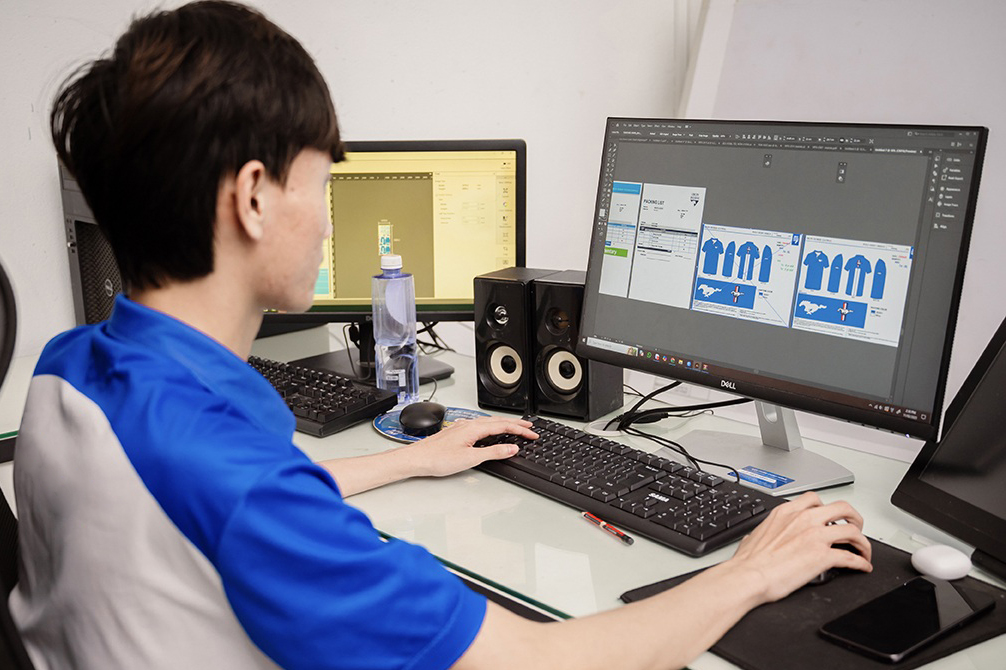
If you are turning a clothing idea into real, manufactured product, one document does more to protect your budget and your timeline than any other: the tech pack. Yet most first-time brands have never seen one. This guide explains what a tech pack is, what goes inside it, and how to create one that a factory can actually work from.
What is a tech pack?
A tech pack, short for technical package, is the blueprint of a garment. It is a single document that tells a manufacturer exactly how to make your product: the measurements, materials, construction details, trims, labels, and packaging. If a designer’s sketch shows what a garment should look like, the tech pack shows how to build it so that every unit comes out the same, in any factory, in any production run.
Think of it the way a builder thinks of architectural drawings. Nobody frames a house from a photograph of a nice-looking home. They work from a spec that leaves nothing to interpretation. A garment is no different, and a vague brief is the single most common reason samples come back wrong.
Why a tech pack matters
A complete tech pack pays for itself in three ways:
- Accurate quotes. A manufacturer can only price precisely what is specified. Without a tech pack, any quote you receive is an estimate that will move once real details emerge, usually upward.
- Fewer sampling rounds. Every extra sample costs money and, more painfully, weeks. Clear specs routinely cut sampling from four or five rounds down to one or two.
- Consistency at scale. The tech pack is what lets your 50-unit sample run and your 5,000-unit production run come out identical, even if they are made months apart.
What goes inside a tech pack
A production-ready tech pack usually contains:
- Technical flats. Front, back, and detail sketches drawn to proportion, not styled fashion illustrations.
- Bill of materials (BOM). Every fabric, thread, zipper, button, and label, with composition, weight (GSM), and supplier where known.
- Points of measure and a size chart. Each measurement point with tolerances, plus a graded run across your size range.
- Construction details. Seam types, stitch counts, hems, and any reinforcement.
- Colorways. Each color option, ideally referenced to a Pantone code so nothing is lost in translation.
- Labels, tags, and packaging. Main label, care label placement, hangtags, and how the finished unit should be folded and bagged.
How to create a tech pack
You do not need to be a technical designer to get started. A workable process looks like this:
- Start from a reference garment. Choose an existing product whose fit and construction are close to what you want, and measure it. A physical reference removes most ambiguity.
- Draw the flats. Clean front and back line drawings, with callouts pointing to any detail that is not obvious.
- Build the bill of materials. List every component. If you do not know a fabric weight or a trim supplier yet, say so, so the factory can suggest options.
- Specify measurements with tolerances. A measurement without a tolerance is a measurement that will be argued about later.
- Add labels and packaging. These are cheap to specify and expensive to fix after a production run.
- Review it with your manufacturer before sampling. A good factory will catch gaps before they cost you a sample round.
The most common tech pack mistakes
Three errors show up again and again: relying on a styled illustration instead of a technical flat, leaving measurement tolerances off entirely, and skipping the packaging and labeling section because it feels minor. Each one quietly adds a sampling round.
Do you have to make the tech pack yourself?
No. Many brands, especially first-time founders, hand a reference garment and a clear brief to their manufacturer and have the tech pack built with them. At Iron Horse we do exactly this as part of our tech pack service, translating an idea or a sample into a production-ready spec, so the quote you get back is real and the first sample is close. It is usually faster and cheaper than commissioning a tech pack in isolation and then hoping it matches what a factory can actually produce.
Frequently asked questions
How much does a tech pack cost?
It varies with garment complexity. A simple t-shirt spec is far quicker to produce than a technical jacket with multiple trims and linings. Working with a manufacturer who builds the tech pack alongside sampling often folds the cost into the development process rather than charging it as a separate line item.
Can I start production without a tech pack?
You can, but you are handing the factory permission to make judgment calls on your behalf. The result is slower sampling, less predictable quality, and quotes that move. A tech pack is the cheapest insurance in the entire development process.
What is the difference between a tech pack and a sample?
The tech pack is the written specification; the sample is the first physical garment made from it. You review the sample against the tech pack, note corrections, and iterate. Read more about how sampling works in our sample policy.
Ready to turn your idea into product?
If you have a design, a reference garment, or even just a clear brief, we can help you build the tech pack and produce it. Explore our services or request a quote to get started.
 Vietnamese
  English